
Why So Many Women Don’t Discover Their ADHD Until Adulthood
“I thought ADHD meant little boys who couldn’t sit still.”
It’s something I’ve heard many times over the years.
To be honest, it’s probably something I would have said myself once.
As a psychologist, I knew about ADHD, but it wasn’t an area I’d specialised in. Like many psychologists, my training covered it at a broad level, but our profession is vast and we naturally develop expertise in different areas throughout our careers.
It wasn’t until my own son was assessed for ADHD that I really began to immerse myself in the research.
And something unexpected happened.
The more I learned, the more I started recognising the same patterns in many of the high-achieving adults I worked with. Eventually, I began recognising some of those patterns in myself too.
It left me asking a question that I now hear almost every week:
Why are so many women only discovering they have ADHD in adulthood?
We were looking through the wrong lens
For many years, ADHD was largely understood through research carried out on boys.
The image of ADHD that developed was one of a child who couldn’t sit still, interrupted constantly, climbed on furniture and struggled to stay in their seat at school.
Of course, some girls present in exactly that way too.
But many don’t.
As our understanding has grown, we’ve begun to recognise that ADHD can look very different across individuals, and that many women present with patterns that are quieter, more internalised and therefore much easier to miss.
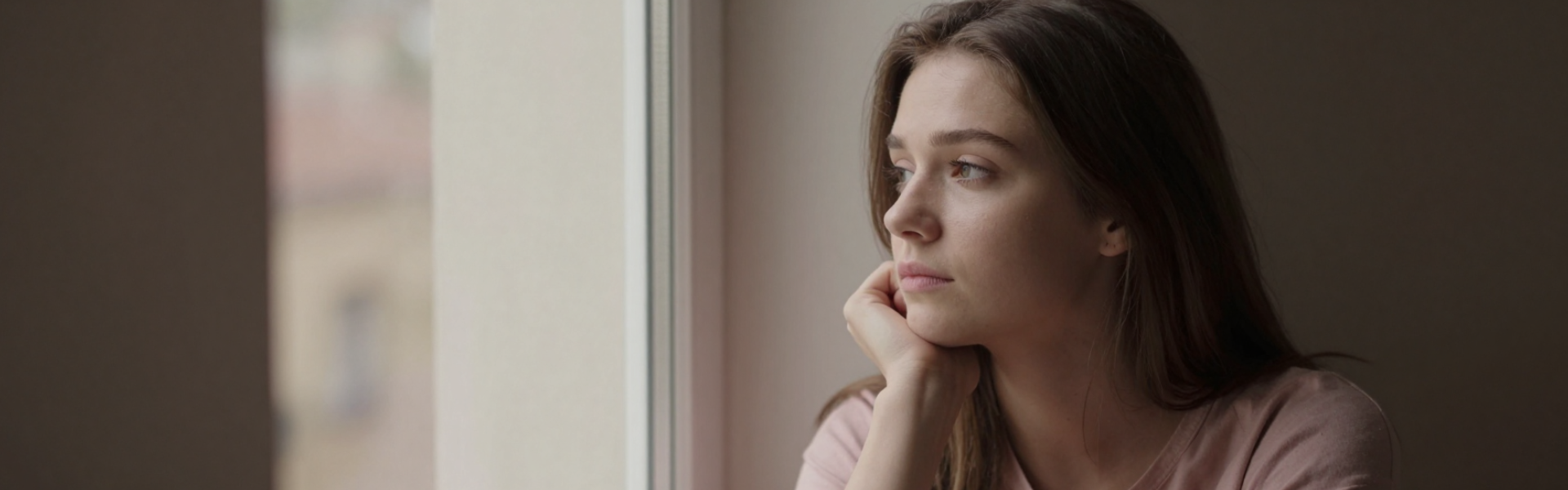
Rather than disrupting the classroom, they may be battling distraction, racing thoughts, emotional overwhelm and constant mental effort that nobody else can see.
The ADHD was there.
We just weren’t always looking for that version of it.
Success can hide struggle
One of the biggest myths about ADHD is that people with it can’t achieve highly.
In reality, many of the women I meet are exceptionally capable.
They’ve built successful careers.
They’re raising families.
They’re dependable, conscientious and often the person everyone else relies upon.
From the outside, they appear to have everything together.
But underneath?
They’re exhausted.
I’ve always loved the image of a swan gliding gracefully across a lake. Above the water, everything looks calm and effortless. Beneath the surface, however, its feet are paddling furiously just to keep moving.
That image reminds me of so many women I work with.
Others see competence.
They experience constant effort.
“You’re so organised.”
People have often assumed that I’m naturally organised.
The truth is a little different.
Yes, I like structure.
But I don’t think I developed those systems because organisation came easily to me.
I developed them because I needed them.
Calendars.
Lists.
Reminders.
Colour-coding.
Planning routines.
Breaking tasks into tiny steps.
Creating what many people now call a “second brain.”
Over time, these systems become so effective that they can completely mask what’s happening underneath.
From the outside, it looks like organisation is a personality trait.
Sometimes it’s actually a compensation strategy.
Many high-achieving women spend years unknowingly building scaffolding around an ADHD brain.
Until one day, that scaffolding becomes harder to maintain.
The hidden emotional cost
Perhaps the greatest cost of undiagnosed ADHD isn’t the forgotten appointments or unfinished tasks.
It’s the story people tell themselves.
“If everyone else can do this, why can’t I?”
“I just need to try harder.”
“I’m lazy.”
“I’m disorganised.”
“I’m failing.”
Over years, those thoughts become deeply ingrained.
As psychologists, we sometimes talk about internalised ableism—absorbing society’s expectations about what we “should” be able to do and turning them against ourselves.
Many women don’t simply carry ADHD.
They carry decades of shame.
The diagnosis isn’t always the hardest part.
Sometimes it’s grieving the years spent believing you were somehow broken.
Why adulthood can be the tipping point
One reason ADHD can remain hidden for years is that many women become remarkably skilled at compensating.
Until life becomes more demanding.
Perhaps a promotion.
Having children.
Becoming responsible for the invisible mental load of running a household.
Or hormonal changes during puberty, pregnancy or perimenopause.
Emerging research suggests that fluctuations in oestrogen can influence dopamine systems involved in attention and executive functioning. For some women, strategies that have worked for years suddenly seem less effective.
It’s not that ADHD has suddenly appeared.
It’s that the amount of effort required to keep everything together has finally exceeded the available capacity.
A different way of thinking
One book that particularly challenged my thinking was Divergent Mind by Jenara Nerenberg.
Rather than asking, “What’s wrong with these women?”, it encourages us to ask a different question:
What if we’ve misunderstood the way many women’s brains work?
That shift feels incredibly important.
Understanding ADHD through a neurodiversity lens doesn’t mean dismissing the very real challenges people face.
It means recognising that difference isn’t the same as defect.
It also helps explain why so many intelligent, compassionate, successful women have spent years wondering why life seems harder for them than it appears to be for everyone else.
You are not alone
If you’ve found yourself nodding along as you’ve read this, please know you’re far from alone.
Whether or not ADHD ultimately explains your experiences, understanding how your brain works can be profoundly freeing.
For many women, it’s the first step towards replacing years of self-criticism with something far kinder:
Self-understanding.
And from there, self-compassion.
Because perhaps the question was never, “What’s wrong with me?”
Perhaps it was simply, “What haven’t I understood about myself yet?”
Feeling overwhelmed?
If this article resonated with you, my free 5-Step Overwhelm Reset will help you slow racing thoughts, regain clarity and take your first steps towards feeling more in control.
Download your free guide here → http://welcome.drstoneelevate.com/gift